
“Just five more minutes!” Sound familiar? 😄
From smartphones and tablets to television, video games and social media, screens have become part of everyday life. Technology can be incredibly useful for children's education, but too much recreational screen time can also make learning more difficult.
The goal isn't to eliminate screens—it is to help children develop a healthy balance between technology, schoolwork and real-life activities.
🧠 1️⃣ It Can Affect Concentration
Constant switching between videos, games, messages and schoolwork can make it harder for children to stay focused on one task.
✅ What parents can do:
Create specific periods for homework and studying without unnecessary notifications or entertainment. Encourage your child to complete one task before moving to another.
😴 2️⃣ Late-Night Screen Use Can Affect Sleep
Children who spend long periods on phones, tablets or television at night may find it harder to maintain a healthy bedtime routine. Poor sleep can leave a child tired and less prepared to concentrate at school.
✅ What parents can do:
Establish a consistent bedtime routine and consider keeping entertainment devices away from the sleeping area.
📖 3️⃣ It Can Reduce Time for Reading and Homework
Every hour spent scrolling through social media or playing games is time that could have been used for reading, revision, creative activities or rest.
✅ What parents can do:
Set priorities. Homework, reading and other responsibilities should come before recreational screen time.
🏃 4️⃣ Children Need Life Beyond the Screen
Learning doesn't happen only through a device. Children also need physical activity, family conversations, outdoor play, hobbies and face-to-face interaction.
These activities can help develop communication, creativity, confidence and other important life skills.
✅ What parents can do:
Encourage a daily routine that includes study, movement, family time, hobbies and relaxation.
🎓 5️⃣ Not All Screen Time Is Bad
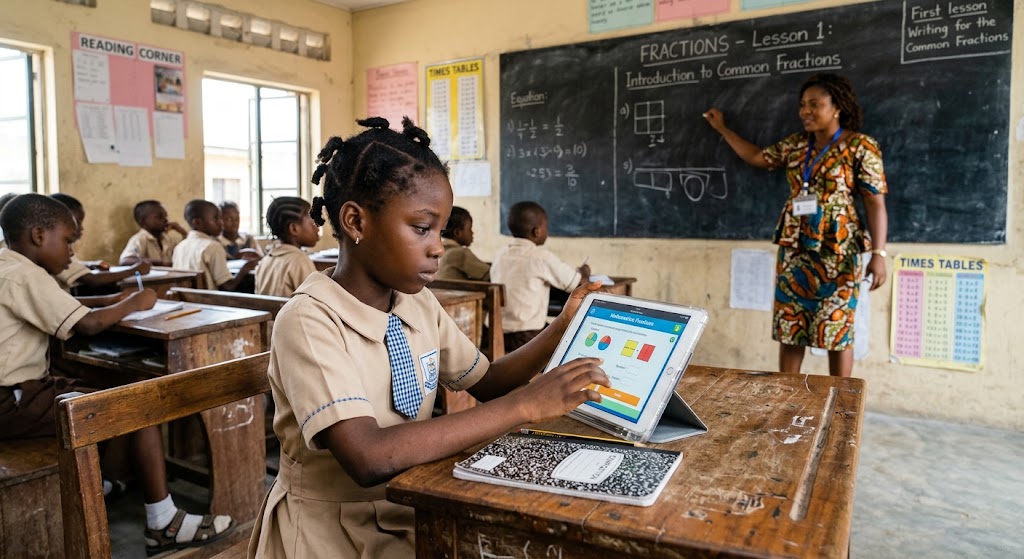
This is important! Educational screen time can support learning. Children can watch educational videos, use learning platforms, research school topics and practise skills online.
The key question is not simply “How much screen time?” but also “What is my child doing on the screen?”
🌟 Balance Is the Key
Instead of completely banning technology, teach your child how to use it wisely. Set clear boundaries, model healthy screen habits and regularly discuss how technology affects their daily routine.
Remember, children learn from what they see. If parents put their phones away during family conversations and prioritise important responsibilities, children are more likely to follow that example.
Screens should support your child's growth—not take over their childhood. 📱❤️📚
Help your child find the balance between learning online and living offline, because a bright future needs both digital skills and real-world experiences.
No comments yet. Be the first to share your thoughts.
Comments 0
Share your thoughts about this story.